Design Process
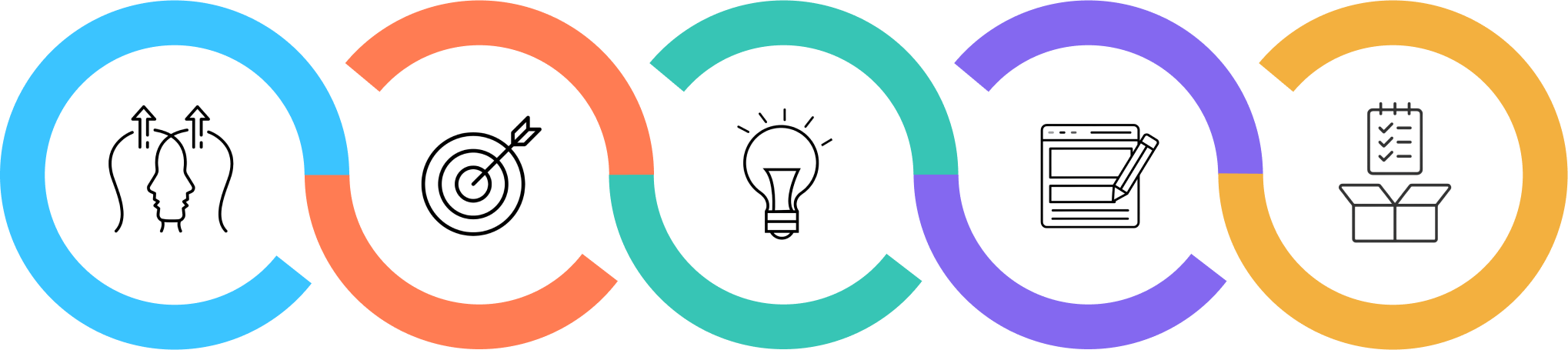
Everything starts with User empathy

Who are the Users we're trying to reach and what do they need, want and/or desire. Identifying and prioritizing these needs and desires can be a complex process, and requests can come in from many different stakeholders.
Understand the needs not only from the Users, but also from other stakeholders

Don't expect answers at this stage. It's about learning where to look

Establish a shared understanding with ALL stakeholders

Learn how to develop a "love" for the product problems, not the solutions

Let's look at our research plan and findings
First we need to analyze the outcome from the empathize phase before we dive into our research plan. It's critical that we choose the right research methods in order to get relevant results. This will set the stage for our wireframes and prototypes.
Conduct qualitative & quantitative research, competitive and market analyses
Identify what the Users' and other stakeholders' pain points are
Set up appropriate activities to analyze the research findings
Deliverables can be journey maps, personas, comparison charts, affinity diagrams and "how might we" statements
Come up with innovative solutions
Regroup with all stakeholders to make sure we're still aligned, before ideation starts. This is where we're changing focus from understanding the problem to creating a solution.
A healthy, constructive and open minded dialog is crucial during the ideation phase
Don't worry about practical limitations at this time. We want many wild and out of the box ideas
Wireframes, sketching and sticky notes are useful methods to generate a lot of ideas quickly
At the end, the group will come to an agreement which ideas and combined ideas will move forward to the prototypes phase
How can we incorporate AI into our process, to speed things up and identify possible solutions we might have missed
Design creative solutions
With all the deliverables we've now gathered, it's time to take these insights and start designing the best possible solutions. Meeting frequently with key stakeholders, such as product and engineering teams, will ensure we have an aligned approach and speed up the process.
Product team, UX, UI and content designers work hand in hand to create the best information hierarchy, UX flow, copy and UI design
Do we need designs for web, tablet and mobile? Do we need dark mode?
We have to consider what the accessibility requirements are for this project
It's crucial that the tools we're using to design wireframes, mockups and prototypes are collaborative, so all stakeholders can work together
Can we reuse our existing design system and components or do we need to make updates to efficiently design these new solutions
Without testing we won't know if we actually solved the pain points
Being able to test our designs is extremely valuable and will allow us to iterate and design better solutions for our Users. It can be hard to prioritize this step, but if done correctly it can save us from costly mistakes and create a more engaging experience that will lead to increased revenue.
Ideally our teams will go through a few cycles of prototyping, testing and refining before the designs are shipped
A/B testing, usability tests, quantitative analyses are a few methods we use to test our new designs
Maze, Lyssna and Usertesting are just a few of the tools available to conduct user testing
When it makes sense, testing can happen earlier in the life cycle as well. The earlier we find out what our Users and other stakeholders want, the quicker we'll come to a final solution.
My Case Studies

Planesty
Let's take a closer look at a software business I co-founded
Fantasy Arcade
A deep dive into a team building activity I created
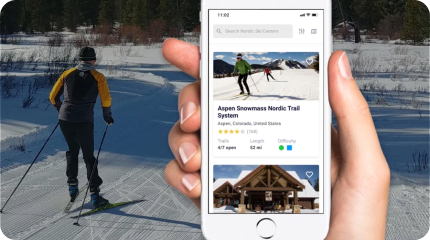
Nordic Ski
I worked together with a Nordic Ski center to design an app for skiers
ESPN Fantasy Auto Teams
Innovating and gamifying the fantasy pre-draft experience
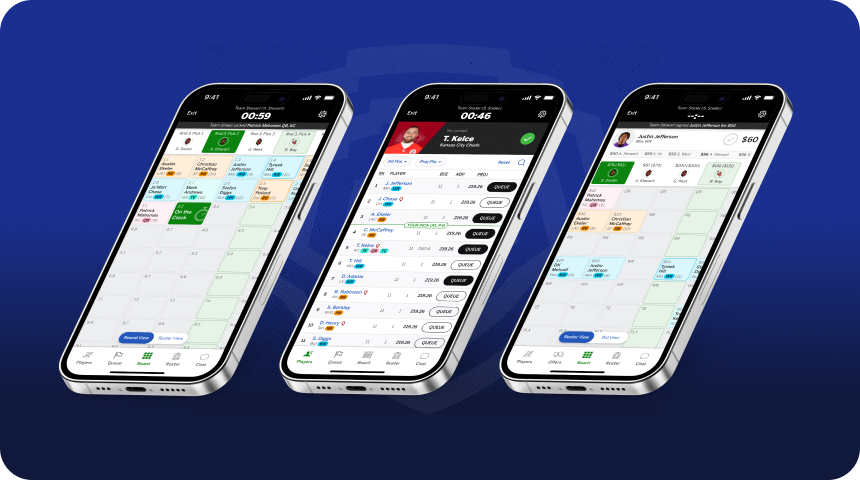
Coming soon
Draft Client Redesign
Implemented a new design to a high traffic and complex feature
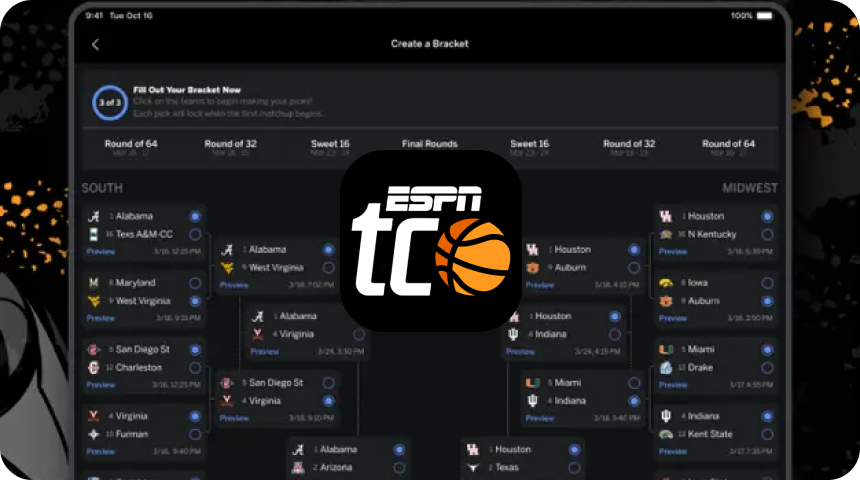
Coming soon
Tournament Challenge
Modernized a popular product and made it even more delightful